



Recently, I was sent a survey by my old college about how their young people can prepare for their future careers. It asked how they should embrace AI when so many news stories are focused on the erosion of entry-level jobs. My advice was: “remember you’re a human first and don’t lose yourself entirely to AI”.
There’s a lot of pressure on young people to embrace AI technology. A 2025 survey of students by Prospects and the Institute of Student Employers found that 13% had considered changing their career plans because of AI, with respondents calling for practical training to prepare them for work.
With so few entry-level roles available, it can be tempting for young people to focus all their skill development on AI to take a step onto the career ladder. And whilst this type of development is important, preserving our human skills matters even more.
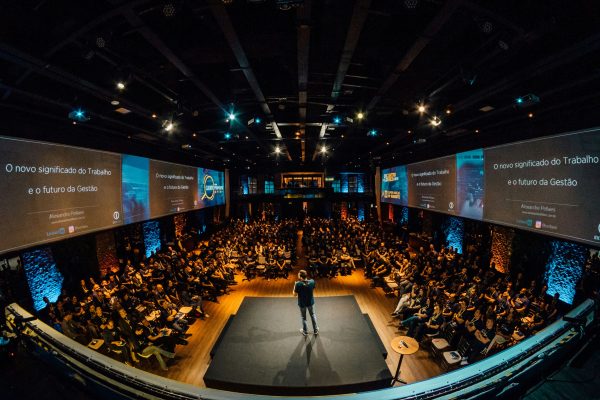
Right now, my biggest worry is the erosion of critical thinking if we rely on AI to do everything for us. During the final session on “The Future of PR” at PRMoment’s AI in PR Masterclass, I asked the presenter whether he shared my concern about the need to preserve skills such as critical thinking. He responded that I must be a senior person to ask that question and that I shouldn’t worry about it, which really made me think. I know enough to question, but what about the people who are just starting out?
Preserving the basics
We need to ensure those early in their PR careers still experience the same elements of admin and basic training that we went through in the pre-AI years. Of course, we could build agents to do the simple tasks for us, but we risk losing the learning that comes from doing them ourselves.
Strong senior advisors can absorb criticism, exercise judgement under pressure and keep moving even when the answer is unclear. These aren’t skills that are learned by chance; they’re drummed into us through repetitive work at a junior level. Early in our careers, we receive a lot of feedback and criticism. How we react to it, learn from it and move on helps build resilience and understanding in us. Being reliable, capable of doing the small things well and having a good grasp of why attention to detail is necessary are all areas that will shape the judgement others will later rely on.
We could automate fundamental PR tasks like building media lists, monitoring coverage, drafting first versions, researching journalists, taking notes, managing deadlines and checking facts. But the real value in doing this ourselves means we learn what good looks like. It also helps us to spot patterns, understand context and ensures we’re corrected when something is wrong.
The responsibility of today’s senior leaders
The consensus from PRMoment’s AI in PR masterclass was that, whilst there are some companies out there making great strides, PR and Communications is still relatively early in its adoption of AI. Our job as senior leaders is to think really clearly about how and where AI can add value for our employees and where it might remove a learning opportunity.
Now is the time to focus on how junior staff develop. They should still learn how to draft press releases, articles and other copy from scratch. They should be able to explain their thinking when completing a task, especially during feedback conversations. They should know what they got wrong, why it matters and how to improve it next time. We can create agents that support this process but let’s not make it a substitute for actual work experience.
The junior practitioners entering the industry now will be making senior decisions in 15 years. Those who follow them may have used AI throughout their education and working lives.
We need to consider what kind of leaders we are developing when technology is involved in every early judgement, first draft and difficult problem they encounter. If we automate every task that once helped junior practitioners learn, we may save time now, but we risk weakening the leadership pipeline PR will depend on in years to come.