



Gone are the days of the invisible CEO. Once upon a time, it felt as though CEOs were simply a name badge, unheard of by the outside world. Who are they? What’s their story? Are they an embodiment of their brand, or simply the one making decisions? The questions people want to ask, left unanswered and unclear. This particularly applies to leaders of large corporations. If you were to ask me to name the CEO of McDonald’s, I would genuinely have no idea.
Now, we live in a connected world. People want to hear the voices and brains sitting at the top of the corporate food chain. Human beings (well, most of us) are nosy. We expect to follow our favourite celebrities, artists and politicians on social media, hearing what they do, seeing what they wear and most importantly, what they stand for. The same rules apply in business: personal brand has become far more important.
The rise of people-first branding
It’s become increasingly clear that people are starting to move further away from brand recognition towards people recognition. Influencers have been pivotal in this trend, using their following as a springboard to launch companies that quickly become household names. This success isn’t some cheat code; it’s built on the foundations of trust and sharing real voices that resonate with audiences.
In the lifestyle space, Grace Beverly is a prime example of this approach. She initially built her online presence as a fitness and lifestyle vlogger, sharing her experiences as a student studying at Oxford University. Appealing to young adults at the time, Grace’s following grew as she did. Her success laid the foundation for several popular brands, most notably, her athleisure label TALA. Leaning into her world of wellness, the company was quick to gain traction. Grace remains the voice of TALA and its culture, only strengthened by her regular appearance in conversational social media content.
Whilst offering a truly valuable product or service remains central to connecting with audiences, communicating your brand’s voice through people has become paramount to cutting through the noise. Think about it, some of us (not me…) believe we know the people we follow online, listen to on podcasts or read about in the papers.
The power of a good spokesperson
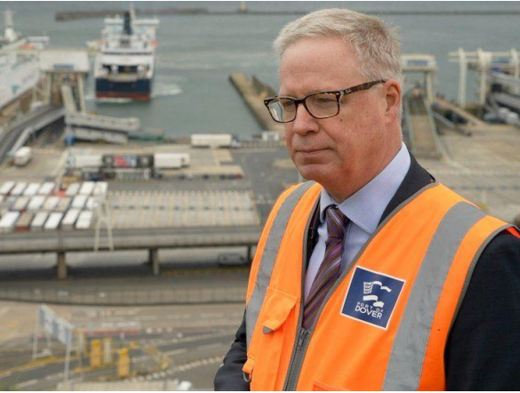
In aviation and transport communications, this translates to sharing the voices of those making decisions. Going beyond business objectives or key announcements, speaking about what’s happening in the world or what they personally stand for means CEOs or senior executives can go beyond the name badge and truly resonate with audiences.
Take Ryanair, for example, an airline widely recognised for its cheap flights and simple services. Although sometimes controversial, it would be hard to find somebody in the UK and Ireland who hasn’t heard of Michael O’Leary. He’s considered to be a journalist’s dream interviewee, offering clever click-bait soundbites that so often make headline news. His strong opinions and strategic market expansion have led him to be one of the most well-known CEOs. Complimented by Ryanair’s tongue-in-cheek social media content, customers understand his business model – even those who don’t consider themselves an #AvGeek.
Harnessing social media to build a personal brand
Building a personal brand doesn’t have to be complicated and can be achieved without divisive headlines. Audiences want personality of course, but they’re also looking for knowledge and ultimately, the confidence they can trust you and your business.
LinkedIn can be an effective tool here. Large Language Models (LLMs) such as ChatGPT favour long-form, authoritative content, and LinkedIn has fast become one of the most cited platforms from which LLMs retrieve and reference information. Whilst this can be effective for branded content, it also offers an opportunity for spokespeople to reach those searching on topics such as aviation, transport or travel.
CEOs can harness LinkedIn to speak directly to customers through sharing opinion articles about what’s happening in the sector or the key challenges audiences are facing. For example, answering questions on how AI is impacting global airport operations or what the current geopolitical situation means for UK train operators.
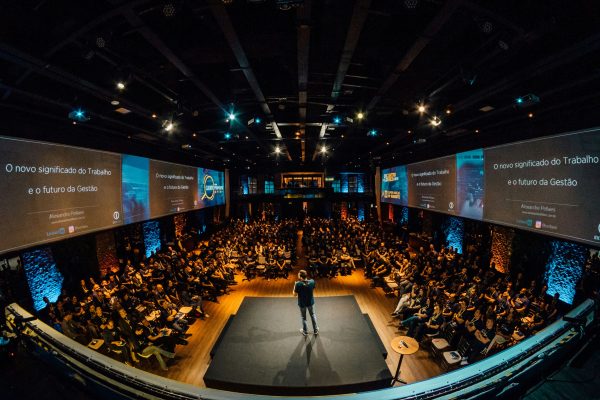
Video is another powerful tool. It showcases the face behind your brand whilst speaking directly to audiences. Adopting a conversational tone and using plain, easy to understand language evokes a sense of “Oh, they’re actually a real person.” Being down to earth and displaying knowledge beyond your product or service is a simple way to build trust and communicate your story.
In B2B PR and marketing, a consistent, integrated strategy is key. Complementing social media efforts with frequent speaker sessions and media interviews only strengthens your message.
Give the people what they want
People don’t like being told what to do – so don’t tell them. Marketing has moved beyond “buy my product.” Audiences want a brand they believe in, with real leaders who care about not only their business but their customers’ intentions, beliefs and challenges. Leaders should be positioned as collaborators, harnessing strategic communications to resonate with customers. Presenting a leader with a relatable face and genuine voice will make you stand out from the sea of “invisible CEOs” – and, done well, can help achieve your business goals.
To discuss personal branding, get in touch with the 8020 Communications team.